
Introduction
Terradot is a pioneering climate technology company dedicated to addressing global warming through a permanent and scalable carbon removal solution: Enhanced Rock Weathering (ERW). Spun out of research and innovation networks tied to Stanford University in 2022, Terradot harnesses and accelerates Earth's natural process of silicate rock weathering to absorb vast quantities of CO₂ from the atmosphere. The company’s core mission is to establish a robust, scientifically-backed pathway for durable carbon sequestration.
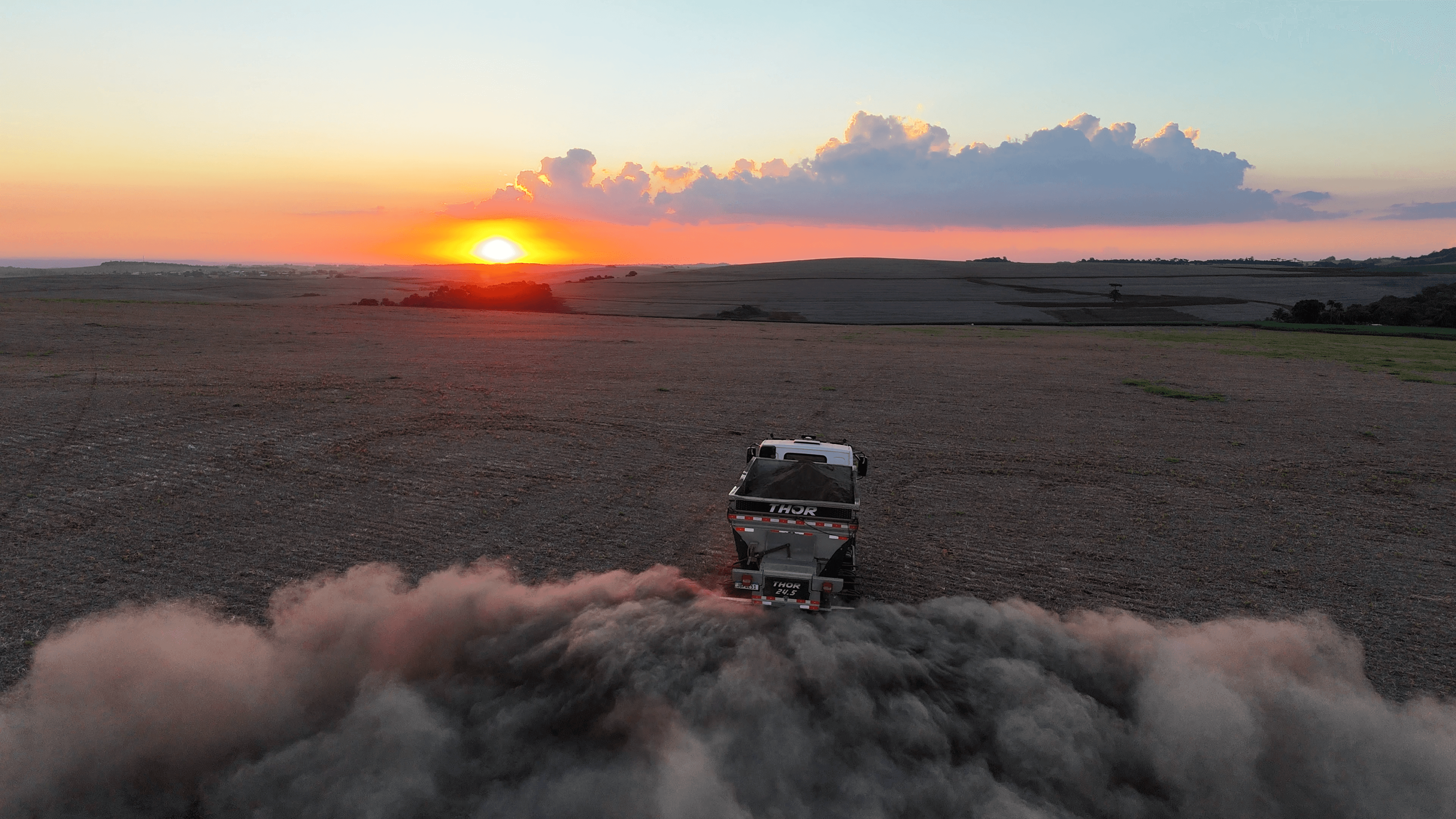
This innovative approach involves crushing silicate rocks into a fine powder and applying it to agricultural soils, where rainwater dramatically speeds up the natural chemical reaction that locks CO₂ into stable mineral forms. Terradot's solution is uniquely compatible with existing farm practices, requiring no land conversion while simultaneously offering significant benefits for soil health and agricultural resilience.
Terradot positions itself as a critical vendor in the emerging carbon removal market, selling high-integrity removal commitments to major corporations. Its value proposition centers on delivering a permanent, measurable, and environmentally beneficial solution that integrates seamlessly into the agricultural landscape, advancing global climate mitigation efforts.
Key Features
Terradot's Enhanced Rock Weathering solution offers a suite of features designed for efficacy, scalability, and environmental benefit:
- Permanent Carbon Removal: Terradot utilizes Enhanced Rock Weathering to accelerate a natural geochemical process, locking atmospheric CO₂ into stable mineral forms that remain sequestered for hundreds of thousands to millions of years. This offers a highly durable solution for long-term climate stability.
- Agricultural Integration: The ERW process is engineered for seamless integration into existing farm practices. It does not necessitate land conversion, allowing farmers to continue their operations while contributing to significant carbon removal and gaining additional co-benefits for their land.
- Soil Health Enhancement: The application of finely crushed silicate rocks, predominantly basalt and now olivine, enriches agricultural soils. This leads to improved soil fertility, better nutrient availability for crops, and a more balanced soil pH, contributing to healthier and more productive land.
- Global Scalability: Terradot's method leverages abundant by-product rock materials and existing agricultural and quarrying infrastructure. This fundamental compatibility enables deployment at very large scales, aligning with the gigaton-level carbon removal needs identified by the IPCC.
- Rigorous MRV: Terradot places a heavy emphasis on Measurement, Reporting & Verification. This is achieved through advanced biogeochemical models, extensive ground truth sampling, remote sensing, and AI modeling to accurately quantify, report, and verify the amount of CO₂ captured and permanently stored, providing transparent and credible data.
- Strategic Growth & Diversification: Through strategic acquisitions, such as that of Eion in February 2026, Terradot has expanded its operational footprint across various geographies, including North America and Brazil. This move also diversifies the types of rock used (basalt and olivine), strengthening its global ERW delivery platform.
Technical Specifications
| Specification | Value |
|---|---|
| Founding Year | 2022 |
| Headquarters | San Francisco, California, USA (with Stanford research origins) |
| Major Operations Hub | São Paulo, Brazil |
| Company Size | Medium team (50+ professionals globally) |
| Core Technology | Enhanced Rock Weathering (ERW) |
| Primary Rock Types | Basalt and Olivine (post-Eion acquisition) |
| Aggregated Carbon Removal Commitments | Over 400,000 tonnes of CO₂ under contract |
| Total Venture Funding | $58.2 million |
| Operational Scale in Brazil (2023-2024) | 48,000 tons of rock spread over 1,800 hectares |
| Target Operational Scale in Brazil (by 2026) | 600,000 tonnes of rock across 25,000 hectares |
Use Cases & Applications
Terradot's Enhanced Rock Weathering solution is primarily applied in agricultural settings, leveraging existing farmlands as sites for carbon sequestration. Its core application revolves around supporting companies and organizations seeking to procure high-integrity, permanent carbon dioxide removal credits.
- Agricultural Deployment: Terradot sources crushed silicate rock, primarily basalt, from existing quarries. This material is then transported to nearby farmlands, particularly in regions like southern Brazil which offers optimal warm and wet climatic conditions for accelerated weathering. The rock is spread on agricultural soils, where it integrates with existing farming seasons and operations.
- Corporate Carbon Offtake Agreements: Terradot acts as a key vendor of verified carbon removal. Notable deals include a ~$27 million agreement with Frontier Carbon Removal to deliver approximately 90,000 tonnes of CO₂ removal in Brazil between 2025–2029. Google has also committed to a long-term offtake of around 200,000 tonnes of removal credits into the early 2030s, complemented by equity investment. Microsoft has contracted for approximately 12,000 tonnes of ERW removal, alongside broader research support for Terradot's MRV efforts.
- Research and Development Partnerships: Terradot actively collaborates with agricultural research bodies such as EMBRAPA in Brazil, which helps integrate ERW into established farm practices and contributes to scientific validation. The company also establishes "Sentinel sites," such as one supported by Microsoft, to track the full carbon journey from soil to ocean storage, enhancing the scientific understanding and verification of ERW.
- Global Platform Expansion: With the acquisition of Eion in February 2026, Terradot is expanding its operational reach beyond Brazil to include olivine-based ERW deployments in North America. This strategic move positions Terradot as a consolidator in the ERW industry, building a diversified, global platform for carbon removal.
Strengths & Weaknesses
| Strengths ✅ | Weaknesses ⚠️ |
|---|---|
| Permanent carbon removal (100k+ years) | MRV complexity and data requirements are extensive |
| Scalable using abundant rock resources | Logistics of crushing and spreading millions of tons of rock is challenging |
| Compatible with existing farm practices | Currently higher cost per ton compared to simpler offsets |
| Improves soil health and pH balance | Dependent on further scientific validation and industry consensus on verification protocols |
| Strong emphasis on rigorous MRV infrastructure | Market penetration of ERW credits still evolving |
| Significant corporate backing and funding | Operational expansion requires substantial capital and infrastructure development |
| Strategic acquisitions for global reach |
Benefits for Farmers
Terradot’s Enhanced Rock Weathering solution provides multiple benefits for farmers, extending beyond its primary climate change mitigation goal:
- Improved Soil Health and Fertility: The application of crushed silicate rocks directly contributes to enhancing soil quality. This can lead to increased nutrient availability, better soil structure, and optimized pH levels, which are crucial for vigorous crop growth and overall soil vitality.
- Increased Agricultural Resilience: By improving soil health, ERW can bolster the resilience of farming systems against environmental stressors such as drought and flood. Healthier soils retain moisture more effectively and support stronger plant root systems, contributing to more stable yields.
- Compatibility with Existing Operations: Terradot's process is designed to integrate seamlessly with current agricultural practices. It does not require farmers to convert land or adopt entirely new operational paradigms, minimizing disruption and facilitating adoption.
- Potential Economic Opportunities: By partnering with Terradot, farmers can contribute to a global climate solution and potentially benefit from the expanding carbon removal economy. Terradot aims to create economic opportunities for farmers and strengthen rural economies through its deployments.
- Environmental Stewardship: Participation in ERW programs allows farmers to actively engage in environmental stewardship. They contribute directly to removing atmospheric carbon dioxide, aligning their operations with sustainable practices and a greener future.