
Introduction
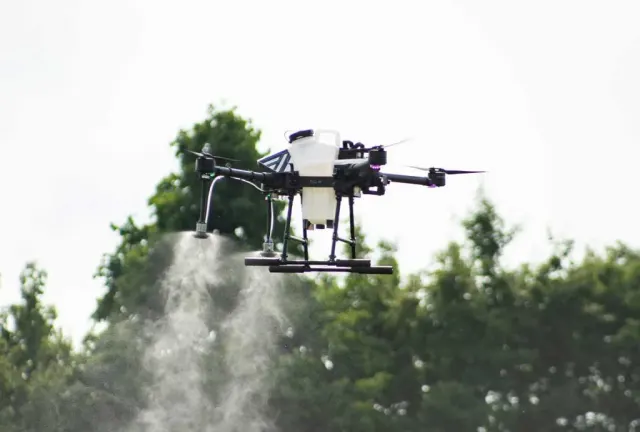
Polybee introduces an advanced agricultural technology system leveraging small autonomous drones, computer vision, and AI to revolutionize farming operations. This innovative solution targets critical challenges in modern agriculture: maximizing yield, optimizing resource utilization, and enhancing profitability for growers worldwide. Designed for both open-field and protected cropping environments, Polybee's technology acts as a central nervous system for farming operations, providing unprecedented insights and automation.
The core offerings of the Polybee system are precise yield forecasting and autonomous, contactless pollination. By collecting high-resolution crop data through AI-powered agents, the system helps farmers make objective, data-driven decisions on when to harvest, thereby significantly improving yield and profitability. Its unique selling proposition lies in its dual functionality and fully autonomous nature, drastically reducing labor costs and human error while ensuring consistent and reliable agricultural processes.
Targeting a wide range of growers and agribusinesses, Polybee empowers them with scalable technology that provides higher accuracy and better decision-making capabilities. The system promises to transform traditional farming methods by offering a seamless integration of smart hardware and intelligent software, ensuring that "Every Plant Counts" and "Every Hectare Is More Profitable."
Key Features
Autonomous Yield Forecasting: Polybee's system utilizes sophisticated AI and computer vision to analyze extensive crop data, offering real-time and highly accurate predictions for harvest timing, expected yield per harvest, and detailed plant health assessments. This allows growers to optimize harvest planning, improve resource efficiency, and enhance yield predictability across diverse growing environments.
Aerodynamically Controlled Pollination (ACP): This proprietary and patent-pending contactless method redefines pollination for self-fertile crops. Drones exploit their downwash to generate precisely controlled airflow, optimally vibrating flower clusters to release pollen without any physical contact, leading to consistent and effective pollination and significantly reducing the risk of disease transmission.
Fully Autonomous Navigation: The drones are engineered for complete autonomy. Once a mission is initiated, the fleet navigates independently, utilizing a vision-based system with visual markers (such as April Tags or QR codes) for accurate localization and consistent flight paths, freeing up labor and ensuring operational consistency.
3D Digital Twin with Centimeter-Level Accuracy: Polybee creates detailed 3D digital twins of plants, reconstructed with centimeter-level resolution. This advanced capability provides in-depth insights into fruit count, size distribution, and growth trends, with less than 4 mm error on fruit dimensions, allowing for precise estimates of fruit weight and plot yield.
Dual-Functionality for Enhanced Efficiency: The system is designed to integrate both autonomous pollination and data collection simultaneously. This dual capability maximizes operational efficiency by reducing the need for separate tasks and provides immediate, actionable insights into fruit set, plant health, and expected yields.
Open-Field and Protected Cropping Compatibility: Polybee's technology is versatile, serving both large-scale open-field operations (e.g., spinach and broccoli) and controlled environments like greenhouses (e.g., tomatoes, strawberries). This broad applicability ensures scalable and real-time solutions for various growing systems.
AI-Powered Harvest Readiness & Stress Detection: Through continuous data collection and AI analysis, the system accurately identifies the optimal time for harvest and detects early signs of plant stress. This intelligence aids in better resource management, optimizes pricing negotiations with buyers, and ultimately enhances overall profitability.
Phenobee Dashboard: Growers access an intuitive, interactive Phenobee dashboard where collected data is processed and visualized. This platform allows users to effortlessly delve into plot-specific data, analyze time series, and compare critical metrics like yield and cluster count across multiple plots for comprehensive insights.
Technical Specifications
| Specification | Value |
|---|---|
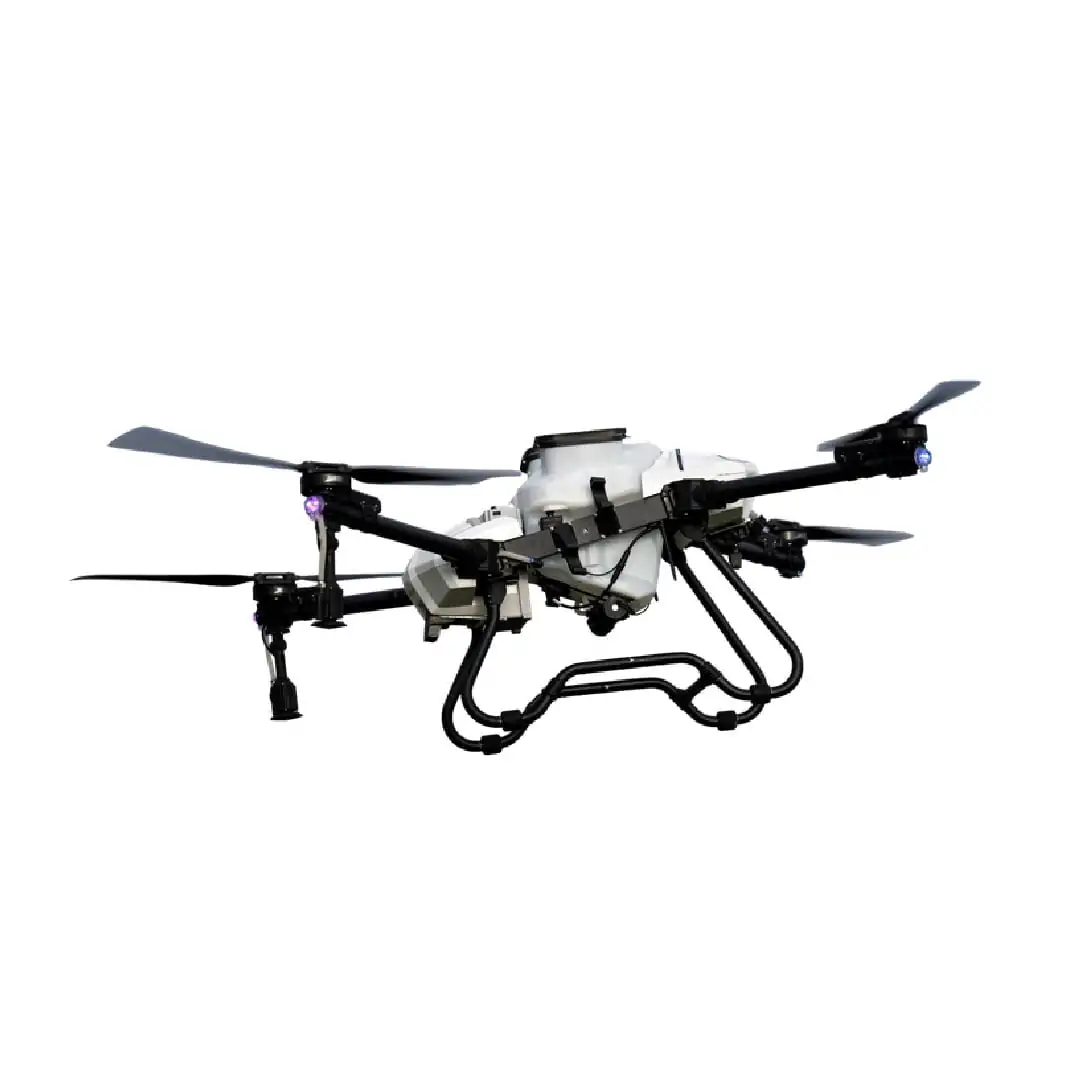
| Drone Type | Small autonomous drones (can utilize off-the-shelf drones like DJI Air2s for hardware) |
| Pollination Method | Aerodynamically Controlled Pollination (ACP) – Contactless, proprietary, patent-pending |
| Navigation System | Fully autonomous with vision-based system and April Tags/QR codes for indoor localization; GPS for outdoor |
| Data Accuracy (3D Reconstruction) | < 4 mm error on fruit dimensions |
| Leaves Sampled (Stress Detection) | > 100k fully visible leaves sampled per row for measurements with >90% accuracy |
| Operation Environments | Open-field and Protected Cropping Systems (Greenhouses, Indoor Farms) |
| System Components | Smart Hardware (Drones) + Intelligent Software (AI, Computer Vision, Phenobee Dashboard) |
| Data Collection Frequency | Regular intervals with drones to ensure consistent and reliable insights |
Use Cases & Applications
Polybee's autonomous drone technology finds critical applications across various agricultural settings, driving efficiency and profitability.
Yield Forecasting & Harvest Optimization: In commercial operations growing crops like spinach and broccoli, the drones provide accurate leaf size, stand count, crop health assessments, and yield predictions. This allows growers to optimize harvest planning, significantly reduce waste, and maximize productivity. For protected cropping, combining high-resolution imaging and machine learning delivers insights into fruit count, size distribution, and growth trends, enabling precise harvest timing, especially beneficial during shoulder seasons for higher market pricing.
Autonomous Pollination in Controlled Environments: Polybee's Aerodynamically Controlled Pollination (ACP) method is particularly impactful in greenhouses for self-fertile crops such as tomatoes, strawberries, and blueberries. This eliminates the reliance on manual labor or biological agents like bumblebees, providing a more consistent and efficient pollination process. Case studies have shown up to 15% higher yields in greenhouse crops due to autonomous pollination. The contactless method also de-risks the spread of pathogens, which can be an issue with traditional methods.
Resource Management & Strategic Planning: The detailed analytics provided by the Phenobee dashboard enable growers to make informed decisions for optimizing resource allocation, such as water and nutrients, and improve pricing negotiations with supermarket chains by having objective yield forecasts. This level of precision helps manage operational costs and enhances overall farming strategies.
Strengths & Weaknesses
| Strengths ✅ | Weaknesses ⚠️ |
|---|---|
| High Accuracy & Objectivity: Provides highly accurate, data-driven insights for yield and plant health, reducing subjective decision-making. | Hardware Dependency: While software is hardware agnostic, current deployment often uses off-the-shelf drones like DJI, which might limit specific customizations without further development. |
| Significant Labor Cost Reduction: Automates labor-intensive tasks like pollination and manual scouting, leading to considerable cost savings. | Initial Investment: Adopting new drone-based autonomous systems typically involves a notable upfront capital investment. |
| Increased Yield & Profitability: Proven to deliver higher yields (up to 15% in greenhouses) and improved profit margins through optimized harvest timing and resource efficacy. | Connectivity & Data Management: Requires robust connectivity and efficient data processing infrastructure, especially for large-scale deployments. |
| Reduced Disease Transmission Risk: Contactless pollination minimizes the spread of pathogens, especially critical in controlled environments. | Maintenance & Technical Expertise: Drones and complex AI systems may require specialized maintenance and technical expertise for optimal operation. |
| 24/7 Autonomous Operation: Drones can operate continuously without human intervention once initiated, offering consistent performance and scalability. | Limited Crop Types for Pollination: Autonomous pollination is primarily for self-fertile crops, limiting its application for crops requiring cross-pollination by insects. |
| Versatility (Open-field & Protected Cropping): Solution is adaptable for diverse agricultural environments, expanding its market reach and applicability. | Regulatory Landscape: Drone operations are subject to evolving aviation regulations which can vary by region and may impact scalability. |
Benefits for Farmers
Return on Investment (ROI) and Economics: Polybee's autonomous solution directly contributes to a rapid and bankable ROI. By providing objective yield forecasts and optimizing harvest timing, growers can achieve higher market prices, especially during peak shoulder seasons, and reduce post-harvest waste. Case studies indicate a 3x profit improvement through optimized harvest timing and early stress detection in some open-field crops, and up to 15% higher yields in greenhouse crops through autonomous pollination. Additional savings stem from reduced manual scouting time and improved negotiation leverage with buyers.
Time Savings and Efficiency: The fully autonomous nature of Polybee's drones significantly reduces manual labor requirements for pollination and crop monitoring. Once initiated, the drones operate independently, allowing farmers and their teams to focus on other critical tasks, thereby enhancing overall operational efficiency. The simultaneous data collection and pollination capabilities further streamline operations, saving valuable time.
Sustainability and Environmental Aspects: By enabling precision agriculture, Polybee helps farmers optimize resource utilization. Accurate plant health monitoring and yield forecasting lead to more efficient application of water, fertilizers, and pesticides, minimizing waste and environmental impact. The contactless pollination method also reduces reliance on external biological agents, potentially lowering ecological footprints and disease transmission risks in agricultural ecosystems.