
Sustainable Agriculture
Farming for future generations
Explore sustainable and regenerative agriculture technologies that improve soil health, reduce environmental impact, sequester carbon, and ensure long-term farm viability.
The Path to Sustainable Agriculture
Sustainable agriculture balances the need for food production with environmental stewardship, economic viability, and social responsibility. Modern sustainable farming practices improve soil health, reduce chemical inputs, conserve water, protect biodiversity, and mitigate climate change while maintaining or increasing productivity.
From cover crops and no-till systems to precision nutrient management and renewable energy, sustainable agriculture technologies enable farmers to produce more with less impact, creating resilient farming systems that benefit both the environment and farm profitability.
Browse Sustainable Agriculture Products

Aleph Cuts by Aleph Farms offers a sustainable and ethical alternative to traditional beef, grown directly from non-GMO cells of a living cow. Enjoy the nutritional, culinary, and sensory attributes of meat, cultivated with a fraction of the resources.

Enjoy convenient, nutritious meals with My Fresh Meals. Chef-designed, farm-to-table, heat-and-eat options using locally-sourced, hormone-free ingredients, delivered fresh. Classic, Vegan, and Gluten-Free options available.

SenseUP Biosciences develops next-generation, eco-friendly dsRNA-based biopesticides and parasiticides, offering targeted, non-toxic, and residue-free crop and livestock protection. Utilizing a patented precision fermentation platform, their scalable solutions reduce environmental impact while effectively safeguarding global food systems.

Varaha is a pioneering Indian climate tech company focused on developing and implementing technology-driven nature-based carbon removal solutions, empowering smallholder farmers to adopt sustainable agricultural practices and generate high-integrity carbon credits.
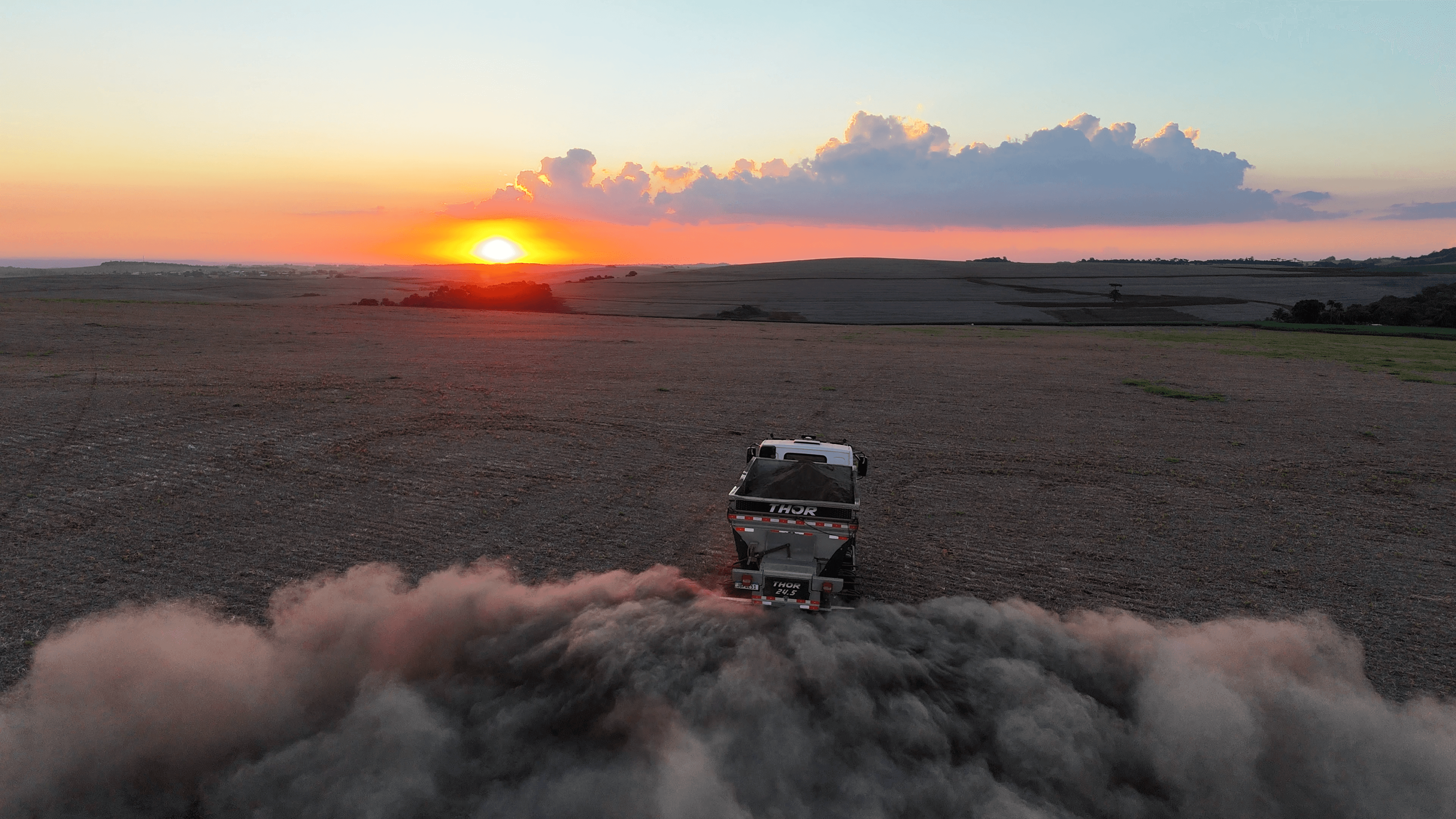
Terradot leverages Enhanced Rock Weathering (ERW) to permanently remove CO₂ from the atmosphere, enhancing soil health and supporting sustainable agriculture. With significant corporate backing and rigorous MRV, Terradot is scaling a durable climate solution.
Popular Sustainable Agriculture Vendors
Frequently Asked Questions
Can sustainable agriculture be profitable?
Yes. While transition periods may have temporary yield or cost challenges, sustainable practices typically reduce input costs, access premium markets, and improve long-term soil productivity. Many farmers report equal or better profitability within 3-5 years.
How long does it take to transition to sustainable agriculture?
Organic certification requires 3 years of organic practices. Regenerative improvements show measurable results in 2-5 years. Full system transformation may take 5-10 years, but benefits begin accumulating immediately.
What's the difference between organic and regenerative agriculture?
Organic focuses on avoiding synthetic inputs. Regenerative goes further, actively improving soil health, biodiversity, and ecosystem function. Regenerative practices can be organic or use minimal approved inputs.
How much can I earn from carbon credits?
Carbon credit payments vary by program and verification method, typically $10-50 per acre per year for verified carbon sequestration. Payments depend on baseline soil carbon, practices implemented, and market rates.
Do sustainable practices work in all climates and soil types?
Sustainable principles apply globally, but specific practices must be adapted to local conditions. Cover crops, reduced tillage, and nutrient management work across diverse environments with appropriate species and timing selection.
What's the ROI on renewable energy for farms?
Solar installations typically pay back in 5-10 years with 20-25 year system lifespans. Government incentives, net metering, and energy cost savings improve economics. Many farmers see positive cash flow within 2-3 years.
How do I measure soil health improvements?
Key metrics include soil organic matter percentage, microbial activity (PLFA tests), aggregate stability, infiltration rates, and nutrient cycling. Annual soil tests track progress over time.
Can I combine sustainable practices with precision agriculture?
Absolutely. Precision agriculture optimizes sustainable inputs (organic fertilizers, biologicals, cover crops) just as it does conventional inputs. GPS guidance, variable rate technology, and data analytics enhance sustainable farming efficiency.
Build a Sustainable Future for Your Farm
Explore sustainable agriculture technologies, learn about regenerative practices, discover certification opportunities, and find tools to improve your farm's environmental and economic sustainability.